

How Contractors Prevent Concrete Drying Issues During Hot Weather Pours
June 30, 2026
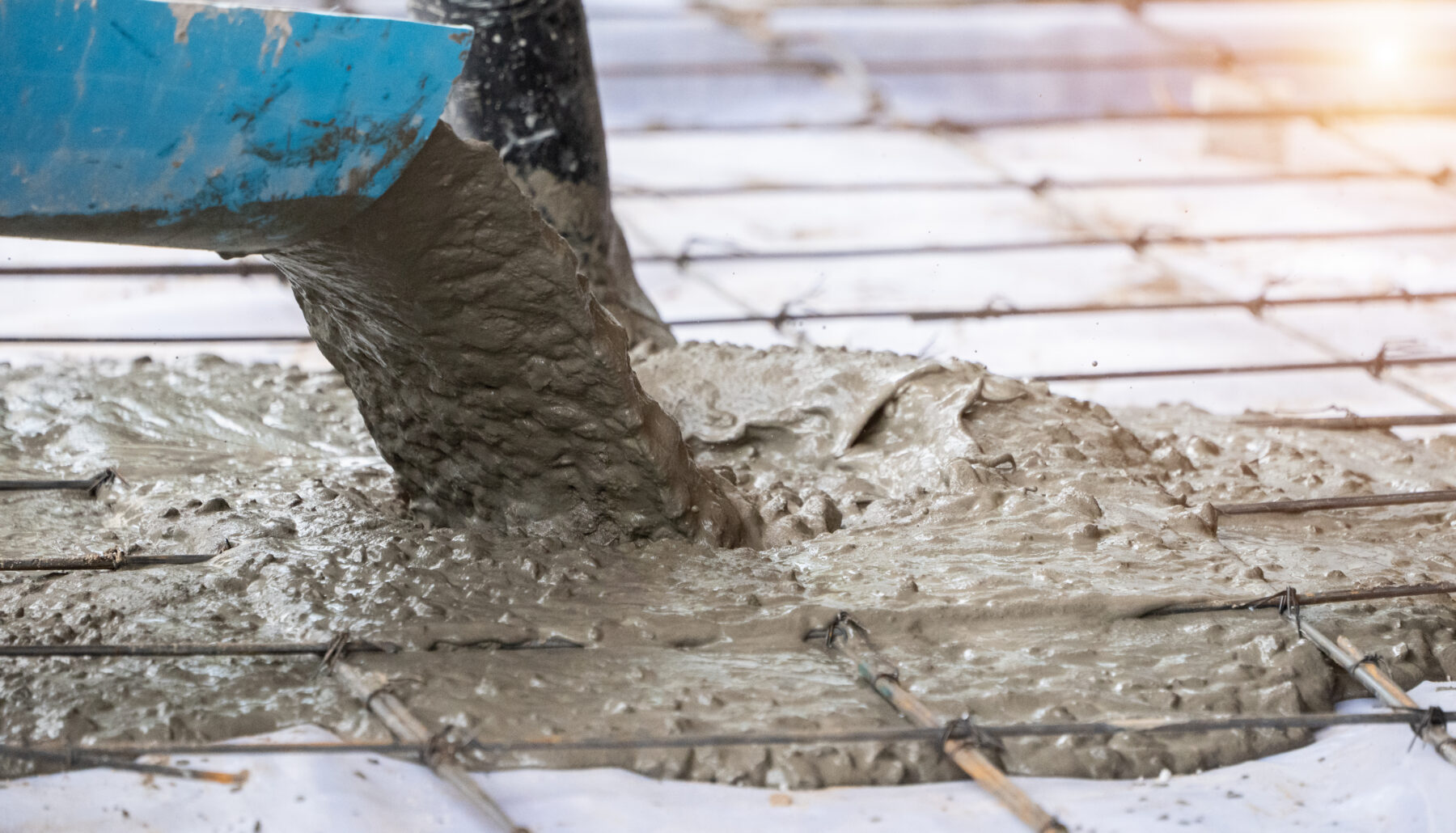
High temperatures change how ready-mix concrete sets, moves, and finishes. As concrete temperatures climb, hydration accelerates and workability windows shrink. This results in quicker moisture evaporation, which increases the demand on finishing crews. Matching mix design and placement strategy to summer conditions keeps pours on track from the truck to the finished slab.
What Hot Weather Does to Fresh Concrete
Ambient heat above 90°F puts immediate pressure on fresh concrete. Water demand rises to maintain workability, which can push water-cement ratios higher than the mix design intended and weaken the internal paste structure as hydration accelerates. Solar radiation compounds this by heating both the substrate and the mix, compressing the window between placement and initial set.
Above 95°F, fresh concrete can stiffen before finishing is complete. At that point, crews face a hard choice: add water at the slab surface, which disrupts the paste matrix, or rush finishing before the surface is ready. Both paths compromise the slab characteristics the spec requires, and both are avoidable with the right preparation.
Mix Design as the First Line of Defense
The most effective adjustments happen before the truck leaves the plant. A reduced water-cement ratio, combined with the right admixture package, holds workability through longer haul times and hotter ambient conditions without adding free water to the mix. Retarding admixtures slow the hydration reaction, buying time between placement and set that would otherwise compress in an Arkansas July.
Concrete mix temperature matters as much as ambient temperature. Ice-water substitution during batching lowers the mix temperature directly, and aggregates stored out of direct sun contribute to a cooler load at delivery. A technical sales team experienced in specialty mix design can work through mix parameters with contractors before summer pours begin, not after a problem surfaces mid-pour.
Timing and Site Conditions
Early morning pours give crews the coolest ambient window of the day and reduce the rate of surface moisture evaporation. A substrate that’s been wetted down and allowed to reach a surface-dry condition before placement keeps the slab from drawing water out of the mix from below, which would accelerate set in the bottom of the slab ahead of the surface.
Wind speed compounds heat-related moisture loss in ways that temperature alone doesn’t. On exposed sites with direct sun and surface wind, the evaporation rate from fresh concrete can exceed the bleed water rate, setting up conditions for plastic shrinkage cracking before the slab reaches final set. Windbreaks and shade structures reduce direct wind and solar exposure at the placement area; fogging systems add another layer of control on the most exposed pours.
Curing Practices That Protect the Slab
Curing begins the moment finishing is complete. Wet burlap covered with poly sheeting keeps surface moisture from escaping and holds hydration at the surface in pace with the slab interior. Curing compound application timing is equally critical; waiting too long after finishing, once significant surface moisture has already left, reduces the compound’s ability to form a continuous seal.
Seven days is the standard curing target, but summer heat accelerates early strength gain while creating risk of surface cracking if moisture leaves the slab unevenly. Keeping the differential between slab surface temperature and interior temperature in range is what prevents shrinkage from opening cracks across the top before the concrete reaches full set.
Standard Materials Group supplies ready-mix concrete across Arkansas, with a technical sales team experienced in specialty mix design for summer conditions. Reach the team at standardmaterials.com/request-quote/ to get the right mix going into the next hot weather pour.