

8 Reasons Contractors Choose Ready-Mix Concrete for Large Foundation Projects
August 4, 2026
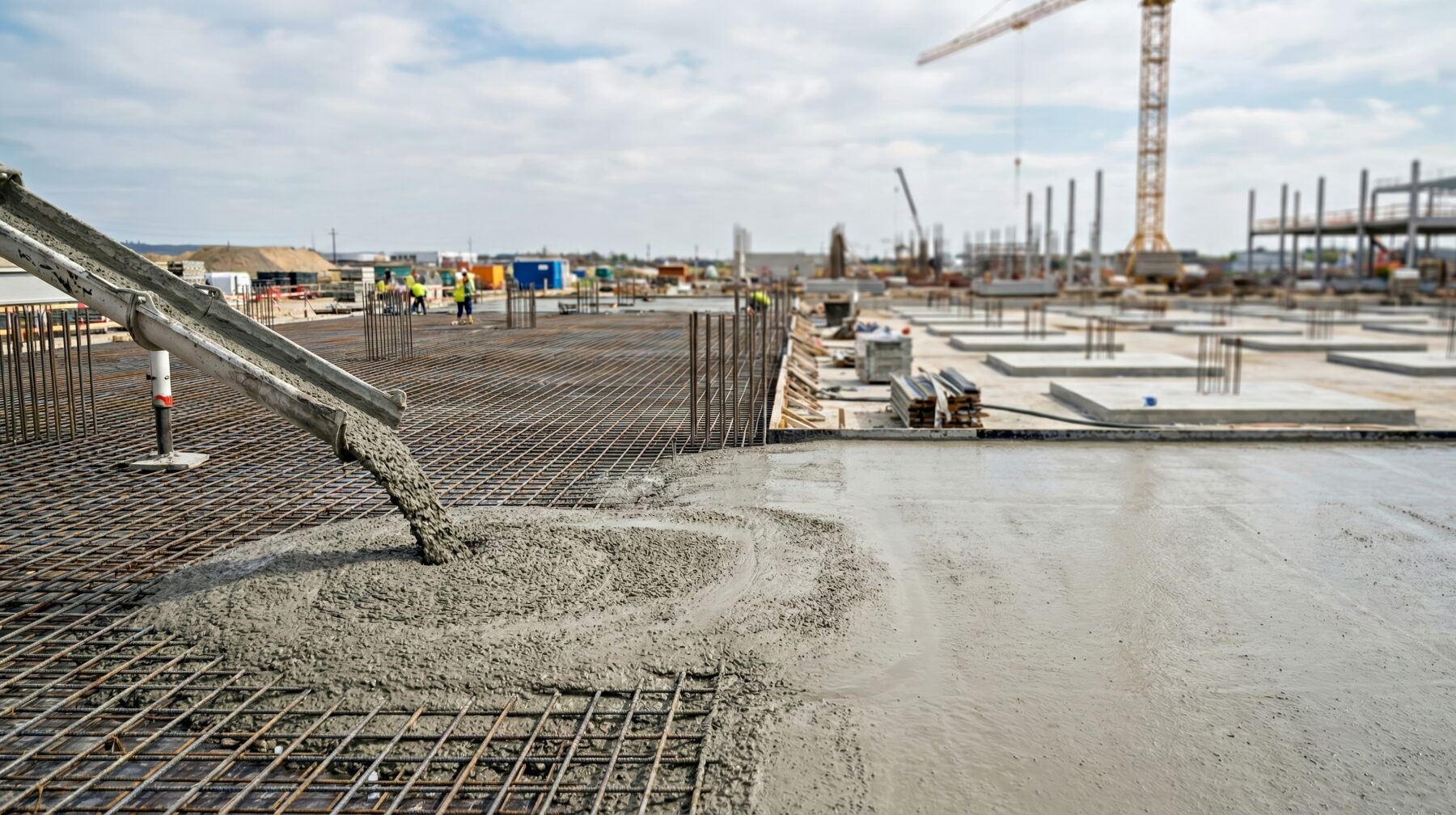
Large foundation projects demand more from concrete than a typical slab or small flatwork pour. Contractors need ready-mix concrete that arrives on schedule, performs consistently from truck to truck, and matches the structural and placement demands of the job. From batch consistency and testing to delivery timing and mix design support, ready-mix helps keep large foundation pours moving without creating quality issues that can slow the project down.
1. Batch Consistency Across Every Truck
Foundation footings and walls poured in stages depend on each truck matching the one before it. A shift in water content or aggregate gradation from load to load can create visible cold joints, uneven curing, or inconsistent strength gain between sections of the same wall. Ready-mix batching controls proportions at the plant, so each truck leaving for the site carries the same mix design, load after load, even across a multi-day pour.
2. Specialty Mixes Matched to Structural Demands
A single foundation pour often needs more than one mix design working at the same time. Flowable fill placed around footings cures differently than structural concrete carrying load in a foundation wall, and each specialty mix depends on the same batch discipline at the plant. Matching mix type to structural element keeps cure timing predictable across every section of a phased pour.
3. Delivery Volume That Matches Large-Scale Pours
Foundations of significant scale often call for hundreds of cubic yards placed within a narrow window to avoid cold joints between sections. A single on-site batch plant would need significant space, water access, and material stockpiles to keep pace with that volume. Ready-mix delivery routes trucks on a rotation timed to the placement crew, so concrete arrives as each section is ready rather than sitting and losing workability.
4. Real-Time Scheduling Across Multiple Pour Zones
Multiple pour zones or phased construction add complexity to delivery scheduling on larger projects. Dispatch teams track placement rates on site and adjust truck intervals in real time, closing gaps between loads before they turn into visible seams in the finished wall. That level of coordination keeps a pour moving even when access points or crew pace change partway through the day.
5. Testing and Quality Control at Every Stage
Slump and air content shift the way concrete places and cures, and rising temperature accelerates both changes across a large foundation pour. Testing specialists check samples at the plant and again on site, confirming each load falls within the specified range before crews place it. Rejected loads get identified before they reach the forms, and the testing record travels with the pour, tying documentation to specific trucks and pour times rather than a general assurance about the mix.
6. Local Aggregate Sourcing That Keeps Mix Temperature in Check
Concrete temperature climbs the longer a load sits in the drum, especially during summer placement, and rising temperature speeds up hydration and shortens the working window before crews finish placement. Batch plants drawing sand and gravel from nearby pits keep haul distances short across Northwest Arkansas communities like Springdale and Fayetteville, so less time passes between batching and placement. That same local sourcing stabilizes aggregate gradation between loads, since material pulled from the same regional pits carries similar moisture and particle size from batch to batch.
7. Technical Mix Design Support for Foundation-Specific Loads
Foundation walls and footings carry different structural loads than a driveway or sidewalk slab, and grade beams spanning open ground below grade add another variable. Each element calls for its own water-cement ratio and aggregate size, along with admixtures suited to the specific pour. A technical sales team works directly with contractors and engineers to match mix design to the structural element being poured, adjusting set time or flow around dense rebar without changing the ratio that governs crack control.
8. Coordinated Transportation That Keeps Pours Moving
Truck availability and route timing directly affect how a large pour comes together, particularly on sites with limited access or tight scheduling windows around other trades. Dedicated transportation and hauling services coordinate driver schedules and truck rotation, timing routes so concrete keeps arriving at the rate placement crews need it. Professional drivers trained in specific safety protocols manage chute positioning and discharge rates on active job sites, keeping a multi-day foundation pour on schedule from the first yard to the last.
Large foundation pours run smoothest when batching, testing, mix design, and delivery come from one coordinated source instead of separate vendors working around each other. Standard Materials Group supplies ready mixed concrete and transportation services across Northwest Arkansas, coordinating batch plants from Springdale to Rogers with technical support that matches mix design to foundation-specific loads. Contact out team to plan mix design and delivery scheduling for the next foundation pour.