

How Architects Use Exposed Concrete Ceilings to Improve Indoor Climate Control
January 6, 2026
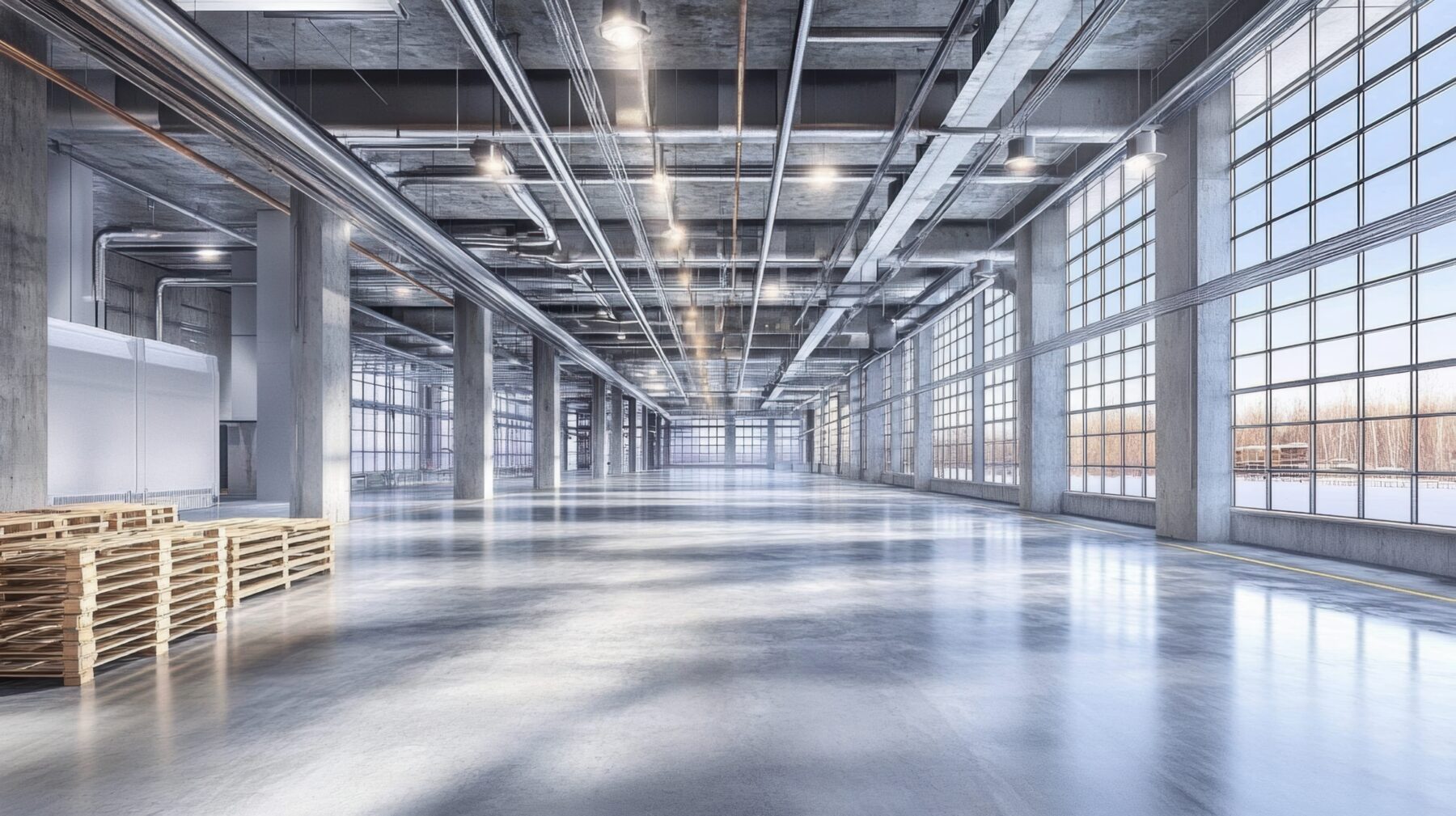
Exposed concrete ceilings have become a defining feature in commercial construction, not just for their clean visual presence but for the way they support stable indoor environments. As buildings place greater emphasis on energy-conscious performance, concrete offers a material advantage that aligns architecture with long term climate control strategies. Its durability is well known, yet its ability to help regulate interior conditions is what positions it as a strategic design element in forward-thinking projects.
Thermal Mass Working in Real Time
The value of an exposed concrete ceiling begins with thermal mass, which moderates temperature shifts throughout the day. When left uncovered, the material absorbs heat during warmer periods and releases it gradually as interior temperatures cool. This steady exchange helps maintain a more consistent indoor climate, reducing the need for frequent adjustments from mechanical systems. The ceiling’s exposed surface allows the building to use concrete’s natural thermal behavior as part of its daily performance routine.
As commercial interiors grow larger and more open, this stability becomes increasingly important. Wide floor plates benefit from materials that temper the indoor environment without constant mechanical input. The exposed ceiling supports this goal by smoothing temperature swings and strengthening overall energy efficiency. It works quietly and continuously, forming a dependable backdrop for the building’s climate strategy.
A Clear Path for Ventilation and Air Movement
Opening the ceiling plane also supports effective mechanical design. With ductwork and ventilation components visible rather than concealed, airflow can be planned with greater precision. Shorter runs and unobstructed paths improve distribution and reduce strain on HVAC systems, contributing to smoother performance across busy commercial spaces. The resulting environment delivers comfort through controlled airflow rather than frequent output from equipment working at higher speeds.
This design approach also improves long term adaptability. Mechanical updates can be made without dismantling layers of finished materials, allowing building teams to refine system efficiency as technology advances. Throughout these changes, the concrete ceiling continues to provide a stable, consistent surface that supports both current and future operational needs.
Night Purge Ventilation and Energy Savings
Many architects pair exposed concrete ceilings with night purge ventilation, a method that uses cooler nighttime air to reset interior temperatures. By allowing the concrete to release absorbed heat during off hours, the building begins each day with a lower thermal load. This reduces early morning cooling requirements and supports a more balanced energy profile over time.
Direct exposure is essential for this process. When concrete is left visible, heat transfer occurs more freely between the surface and indoor air. The material becomes an active participant in passive cooling, especially in climates that experience noticeable drops in evening temperatures. This synergy between architectural design and natural airflow strengthens the building’s overall energy performance.
Design Intent That Supports Practical Needs
While the thermal and mechanical benefits are substantial, the design appeal of exposed concrete ceilings reinforces their growing use. The surface creates a unified backdrop that suits a range of commercial interiors, offering both simplicity and presence. Even when paired with acoustic treatments or integrated lighting, the ceiling maintains its role in climate moderation. These elements work together rather than compete, creating an atmosphere that is visually consistent and mechanically efficient.
Through this balance, exposed concrete moves from a visual element to a performance asset that affects the entire interior environment. Its presence shapes how spaces feel, function, and respond to daily temperature shifts, allowing the material to contribute both atmosphere and stability. By keeping the concrete visible, the ceiling supports the building’s operational goals across changing seasons while reinforcing a cohesive design language.
When architects reveal concrete ceilings, they unlock a material advantage that benefits energy efficiency, ventilation planning, and temperature stability. Each project gains a ceiling that works continuously to support indoor comfort while simplifying long term building operations. This approach positions concrete as a climate-responsive feature that elevates both design intent and performance. As commercial spaces pursue stronger environmental outcomes, exposed concrete ceilings remain a reliable contributor to controlled, well-balanced indoor environments.